All Articles
Picks & Pans: Nuggets by the Dozen in Alaska
May 2004 by Ron Wendt
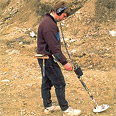 Jeff Reed may be Alaska’s top nugget hunter, or maybe he’s one of many. He doesn’t get skunked too often. In the past two years, he’s estimated he’s found about 3,000 gold nuggets primarily at the...
Additional articles that might interest you...
The Spanish Silver of Mowry
August 2001
The Arizona mine and town that eventually became known as Mowry actually started with the discovery of a rich ledge of silver by either Spanish Jesuit priests or Spanish soldiers around 1736.
The Arizona mine and town that eventually became known as Mowry actually started with the discovery of a rich ledge of silver by either Spanish Jesuit priests or Spanish soldiers around 1736.
Placer Gemstones
December 2001
Only the so-called “precious gems” will be considered in this article. They are diamond, ruby, sapphire, and emerald. A “gem” must be rare, hard, and durable, and possess a unique color or quality in order to be classified as a gem.
Only the so-called “precious gems” will be considered in this article. They are diamond, ruby, sapphire, and emerald. A “gem” must be rare, hard, and durable, and possess a unique color or quality in order to be classified as a gem.
Mining Stock Quotes and Mineral & Metal Prices
October 2008
Our Readers Say
April 2004
• Re: "Designation of Critical Habitat Provides Little Additional Protection to Species"
• Re: "Fair and Balanced? If You Have the Cash"
• Re: "The Joy of Prospecting"
• Re: "Texas Hill Country Gold"
• Re: "Designation of Critical Habitat Provides Little Additional Protection to Species"
• Re: "Fair and Balanced? If You Have the Cash"
• Re: "The Joy of Prospecting"
• Re: "Texas Hill Country Gold"
All About Quartz—Part I
May 2013
One of the first minerals most prospectors learn to recognize is quartz, because, in the right circumstances, it can be an excellent indicator mineral for prospectors. Quartz is common, easy to identify, and is often associated with gold and other valuable metal deposits.
One of the first minerals most prospectors learn to recognize is quartz, because, in the right circumstances, it can be an excellent indicator mineral for prospectors. Quartz is common, easy to identify, and is often associated with gold and other valuable metal deposits.
Good Research and Bad Luck
June 2011
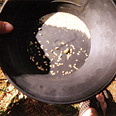 With every look at the box I was pulling out a few pickers and a nugget or two. The smile I had the previous night just got bigger and bigger throughout the day.
With every look at the box I was pulling out a few pickers and a nugget or two. The smile I had the previous night just got bigger and bigger throughout the day.
Diamond Fever
February 2000
In South Africa, a "gregory" is the term applied to a blunder of major proportion. James Gregory will forever be remembered in South African slang as the professor from Great Britain who made one heck of a "gregory."
In South Africa, a "gregory" is the term applied to a blunder of major proportion. James Gregory will forever be remembered in South African slang as the professor from Great Britain who made one heck of a "gregory."
Subscription Required:
The Bawl Mill
• Economic Analysis on Critical Habitat for Bull Trout
• Prospecting for Copper
• US Mining Industry Outlook Brighter
• Gold in the Chinle Formation
• Gold Dredgers Rescue Threatened Fish
• Gold Mine Plans Upheld in Lawsuit
• DOI Computers Back Online
• Historical Mining Methods
• The Elusive Mother Lode
• Clarence King, Geologist
• Mining Stock Quotes and Mineral & Metal Prices
• Melman on Gold & Silver