All Articles
Melman on Gold & Silver
September 2001 by Leonard Melman
One of my favorite sayings has always been, “Do as I say, not as I do.” Perhaps that old adage could be applied to Alan Greenspan and the actions of the Federal Reserve of late. They are telling us that the economy is not in bad shape; that we are not in or headed to recession and that new strength is just around the bend. They are acting as if there is a looming catastrophe.Additional articles that might interest you...
More on Meteorites
April 2002
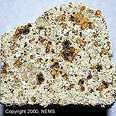 ...how many of us have knowingly found or bought a meteorite—a small to large mass of stone or metal; a meteor that has survived not only a space voyage of millions of years, but also the impact of striking the earth?
...how many of us have knowingly found or bought a meteorite—a small to large mass of stone or metal; a meteor that has survived not only a space voyage of millions of years, but also the impact of striking the earth?
Retired Geologist Warned Public of Pending EPA Disaster
September 2015
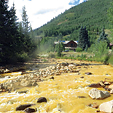 Retired geologist Dave Taylor of Farmington, New Mexico, predicted the disaster in a letter published by the Silverton Standard a week before it occurred.
Retired geologist Dave Taylor of Farmington, New Mexico, predicted the disaster in a letter published by the Silverton Standard a week before it occurred.
Ask the Experts
March 2014
NOI or POO for small backhoe
NOI or POO for small backhoe
Cal-Gold Closes Shop After 30 Years
September 2007
“It is with great sadness that after more than 30 years in business in Pasedena, Cal-Gold will close its doors,”
“It is with great sadness that after more than 30 years in business in Pasedena, Cal-Gold will close its doors,”
Legislative and Regulatory Update
January 2008
• Forest Service proposes further changes to mining regs
• Preble’s mouse resurrected
• Forest Service proposes further changes to mining regs
• Preble’s mouse resurrected
The Bawl Mill
March 2018
• Great at escaping, not so good at evading...
• Free firearms training classes...for teachers
Silver Bull Resources Sees Bright Future for Silver & Zinc
September 2013
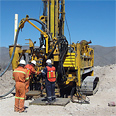 The Sierra Mojada Project lies within a historic high grade silver, lead and zinc mining district originally discovered in 1879.
The Sierra Mojada Project lies within a historic high grade silver, lead and zinc mining district originally discovered in 1879.
Subscription Required:
The Bawl Mill
• A True Endangered Species
• Guest Editorial—Vertical Disintegration
• USGS Reports Increase of Imported Minerals
• The San Juan Mountains, Colorado
• A Silver Opportunity
• Gold in Virginia
• Picks & Pans: DEF Prospectors Rally Was a Huge Success
• News From GATA
• Our Nugget Shooting Adventure
• How PGMs Affect Assay Beads
• Fly Fishing the Mine Tailings/Headwaters of the Clark Fork, Montana
• Company Notes
• Mining Stock Quotes and Mineral & Metal Prices