All Articles
The Rocks That Burn: Is Oil Shale the Answer?—Part I
February 2006 by Bill Rich
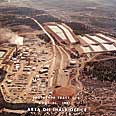 The day is old in the Rangely Oil Field in northwestern Colorado. I’ve paused in my southbound trip to take a gander at this historic field, one of the largest in the state. Intricate pipelines funnel water and carbon dioxide to the source rock far below.
Additional articles that might interest you...
From the Editor
September 2005
Thanks to the hard work of our writers and staff, along with the support of our advertisers, we are beginning our 75th year in print.
Thanks to the hard work of our writers and staff, along with the support of our advertisers, we are beginning our 75th year in print.
Feds Eye Restrictions on AZ Archaeological Sites
September 1999
The Interior Department is proposing a moratorium on new mining and grazing in a 176-square-mile area of central Arizona dotted with American Indian ruins, a possible first step toward a new national monument.
The Interior Department is proposing a moratorium on new mining and grazing in a 176-square-mile area of central Arizona dotted with American Indian ruins, a possible first step toward a new national monument.
A Word from the Editor
July 2000
Many of the calls and letters I have received from our readers lately have expressed frustration and outright anger at the Clinton Administration.
Many of the calls and letters I have received from our readers lately have expressed frustration and outright anger at the Clinton Administration.
Fabled 1933 Gold Coin Up For Sale
March 2002
A 1933 Double Eagle gold coin that never went into circulation—but triggered decades of intrigue—is being sold by the federal government at auction this summer. Experts predict it could sell for millions.
A 1933 Double Eagle gold coin that never went into circulation—but triggered decades of intrigue—is being sold by the federal government at auction this summer. Experts predict it could sell for millions.
Using Structural Clues to Locate Buried Placer Channels
April 2014
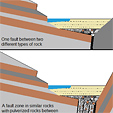 They must have assumed the paystreak was spotty and had been mined out, so they never mined as close to the side of the valley as they should have.
They must have assumed the paystreak was spotty and had been mined out, so they never mined as close to the side of the valley as they should have.
Harshaw's Silver Days
June 2001
In the Patagonia Mountains east of Nogales, Arizona, between the famed ruins of Mowry and the quaint old mining supply center town of Patagonia lies the remains of Harshaw, once a thriving mining camp in its own right.
In the Patagonia Mountains east of Nogales, Arizona, between the famed ruins of Mowry and the quaint old mining supply center town of Patagonia lies the remains of Harshaw, once a thriving mining camp in its own right.
Subscription Required:
The Bawl Mill
• January Issues Delayed For Weeks As USPS Searches Their Facility
• Feds Move Oil Shale to Front Burner
• Basic Geology for the Independent Miner—Part II Recognizing and Understanding Rock Formations (Petrology)
• The Circle Goldfields
• New Montana Board Moves to Halt Mining
• Newmont Looks to Ghana
• PLP President Intervenes on Behalf of Dredgers
• Samuel Franklin Hunt Nevada’s “Rio Tinto”
• Melman on Gold & Silver
• Mining Stock Quotes and Mineral & Metal Prices