All Articles
Klondike Gold
September 2003 by Edgar B. Heylmun, PhD
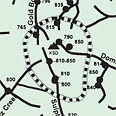 Rich placer gold deposits were found in the Klondike district of Yukon in 1896, and a wild gold rush ensued. The district is east and southeast of Dawson (pop. 1,300), mostly along Bonanza and Hunker Creeks, and their tributaries.
Additional articles that might interest you...
And the Survey Says...
March 2013
A recent online survey on our homepage confirmed what we expected...
A recent online survey on our homepage confirmed what we expected...
GATA Releases Open Letter to the Press
October 1999
It is time to wake up to what has been going on in the gold market. I can understand some initial reticence about grasping what The Gold Anti-Trust Action Committee has been telling you: that the gold market is being manipulated. No one wants to believe that, but enough is enough.
It is time to wake up to what has been going on in the gold market. I can understand some initial reticence about grasping what The Gold Anti-Trust Action Committee has been telling you: that the gold market is being manipulated. No one wants to believe that, but enough is enough.
Weathering, Erosion and Placers
April 2017
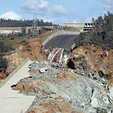 The big interest to prospectors thinking about the effect of erosion is not what might happen long into the future, but what they might find in the rivers later this summer when the water levels go down.
The big interest to prospectors thinking about the effect of erosion is not what might happen long into the future, but what they might find in the rivers later this summer when the water levels go down.
Iowa Hill District
June 2012
For the last two years we’ve held a hands-on prospectors training session in the Iowa Hill district of California’s Mother Lode country as a part of our Gold Prospecting and Mining Summit event. Because of this, I thought it might be good to take a look at the history, geology and opportunities that the Iowa Hill district still offers to the individual prospector.
For the last two years we’ve held a hands-on prospectors training session in the Iowa Hill district of California’s Mother Lode country as a part of our Gold Prospecting and Mining Summit event. Because of this, I thought it might be good to take a look at the history, geology and opportunities that the Iowa Hill district still offers to the individual prospector.
Residual, Lateritic and Gossan "Soils" as Potential Nuggetshooting Sites
November 2000
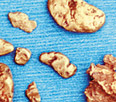 Nearly everyone who has drywashed or metal detected for placer gold within hardrock gold-mining areas is aware of "residual placers" (a.k.a. seam diggin's)...
Nearly everyone who has drywashed or metal detected for placer gold within hardrock gold-mining areas is aware of "residual placers" (a.k.a. seam diggin's)...
Gold at Dale, California
May 2000
The Dale Mining district is located in the Pinto Mountains, 18 to 25 miles east and southeast of Twentynine Palms, by way of the Twentynine Palms highway and the unpaved Gold Crown road.
The Dale Mining district is located in the Pinto Mountains, 18 to 25 miles east and southeast of Twentynine Palms, by way of the Twentynine Palms highway and the unpaved Gold Crown road.
Turning Hobby Mining into Business Mining
March 2013
The first thing a person should do is seriously consider whether they want to go mining as a hobby or a business, and the tax implications of the choice.
The first thing a person should do is seriously consider whether they want to go mining as a hobby or a business, and the tax implications of the choice.
Subscription Required:
The Bawl Mill
• State Rivers Closed to Prospecting in Washington
• A Guide to Overlooked Gold Deposits—Part I
• The Montezuma Quadrangle, Summit County, Colorado
• Looking for Gold in British Columbia
• The Reynolds (Star) Gold Mine
• Picks & Pans: Sniping for Low Stream Gold
• Company Notes
• Why Do We Do The Things We Do?
• Gallium and Germanium in Utah
• Melman on Gold & Silver
• Mining Stock Quotes and Mineral & Metal Prices