All Articles
El Paso Mountains Mining History
April 2000 by Frank Lorey III
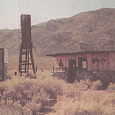 The El Paso Mountains of California are located in the extreme northwestern portion of the Mojave Desert, between Highways 14 and 395, about twenty miles southwest of China Lake. The area is rich in mining history, not far from the great Randsburg district gold mines that are still producing today.
Prospecting Knowledge -- Pass It On!
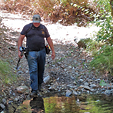 I had two of the guys go down into the creek and each one picked out a small island of bedrock. I had them detect their piece of bedrock and then gave a critique to all on how they did.
Our Readers Say
• Re: ICMJ's Mine Market ads
• "The enjoyment of prospecting"
Mining Claims—What to Know Before You File
During the initial assessment year (the year of location), the claim maintenance fee must be paid at the time the notice of location is filed with the Bureau of Land Management. Failure to pay the claim maintenance fee will void the claim.
Our Readers Say
“When dealing with federal agencies...”
Golden Age of Gold Dredges
Over one hundred years ago, gold mining in California saw a radically new method tried out in the major rivers of the Central Valley. Large gold dredges floated lazily but noisily on the waters, bringing up the rich gravel from deep below. With none of today’s environmental restrictions on such methods, the landscape was reworked into a maze of patterns along the rivers.
Looking Back
Excerpts from California Mining Journal, our original title, published 50 years ago this month.
Will El Nino Move Gold for Miners and End California Drought?
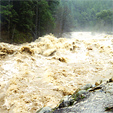 I remember in the couple of years after that 1997 flood, prospectors around California did very well, taking ounces of gold from places that had not yielded any gold for years before that.
Subscription Required:
The Bawl Mill
• USFS Chief in Nevada
• Uranium Miners May Be Compensated
• Dairy Farmer Hits Pay Dirt
• Canyon Resources in Battle in Montana
• Guest Editorial—President's Land Plan Implements Unratified Treaty
• Gold in Washington
• Picks & Pans: Tips for Nuggestshooting—How to Increase Your Gold Finds (Part I)
• Alaska Mining Industry Sees 5% Growth in 1999
• Platinum Prices Could Spur Wyoming Rush
• The Wooden Cross
• Mining Hall of Fame Seeks Rhymes of the Mines
• Collecting Garnets in Wyoming
• A Trip to Tucson 2000
• McCaw School of MInes Dedicates Phase II
• Melman on Gold & Silver
• Mining Stock Quotes and Mineral & Metal Prices