History & Geology
Associated Gold Placers of the Comstock
November 2015 by Alex Dolbeare
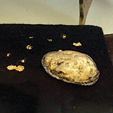 What many people don’t realize is that the Comstock Lode produced over 8,000,000 ounces of gold…
Additional articles that might interest you...
Undiscovered Placer Deposits in Alaska
November 2010
These conditions don’t just apply to Alaska and the Yukon; they apply to western Canada and even to the mountainous western United States.
These conditions don’t just apply to Alaska and the Yukon; they apply to western Canada and even to the mountainous western United States.
One of the Richest Beaches Ever Mined
April 2015
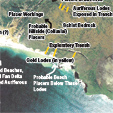 Everyone has heard of the golden beach at Nome, but Nome did not have the richest beach.
Everyone has heard of the golden beach at Nome, but Nome did not have the richest beach.
The Bawl Mill
March 2016
• Do as I say, not as I do...
• By the numbers...
• Do as I say, not as I do...
• By the numbers...
Eastern Arizona: Gold and Base Metal Deposits—Part I
February 2011
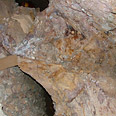 Arizona is well-known for its copper-gold porphyries and massive base metal-gold sulfide deposits such that primary gold deposits in the state are often overshadowed.
Arizona is well-known for its copper-gold porphyries and massive base metal-gold sulfide deposits such that primary gold deposits in the state are often overshadowed.
Weathering, Erosion and Placers
April 2017
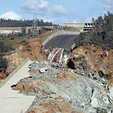 The big interest to prospectors thinking about the effect of erosion is not what might happen long into the future, but what they might find in the rivers later this summer when the water levels go down.
The big interest to prospectors thinking about the effect of erosion is not what might happen long into the future, but what they might find in the rivers later this summer when the water levels go down.
Critical Minerals: Tungsten
July 2017
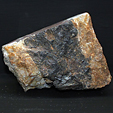 Because tungsten minerals are heavy, exploration can be done using stream sediment samples. Prospectors looking for gold have found scheelite or wolframite in their placer concentrates, and in some cases this has led them to make important tungsten finds.
Gold Placers of the Kenai Peninsula, Alaska
January 2014
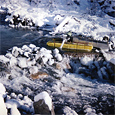 The biggest obstacle is that like many streams on the Kenai Peninsula, high water during the summer months from snow melt and rain can make dredging nearly impossible. The best dredging is in the colder months of the year.
The biggest obstacle is that like many streams on the Kenai Peninsula, high water during the summer months from snow melt and rain can make dredging nearly impossible. The best dredging is in the colder months of the year.
Subscription Required:
The Bawl Mill
• Ask The Experts
• Ask The Experts
• Our Readers Say
• Gold in Tertiary Gravels
• Detecting Clay Seams
• All About Minerals
• MMAC & PLP Update
• Feinstein Pushes for Million-Acre Land Grab
• Prospecting for Liberated Gold
• The Snapshot
• Melman on Gold & Silver
• Mining Stock Quotes and Mineral & Metal Prices